

Steering Wheel Series
Tel:15731105000 Polyurethane Department
Tel:+86 18331993599 Die cutting department
Product details :
Definition and composition
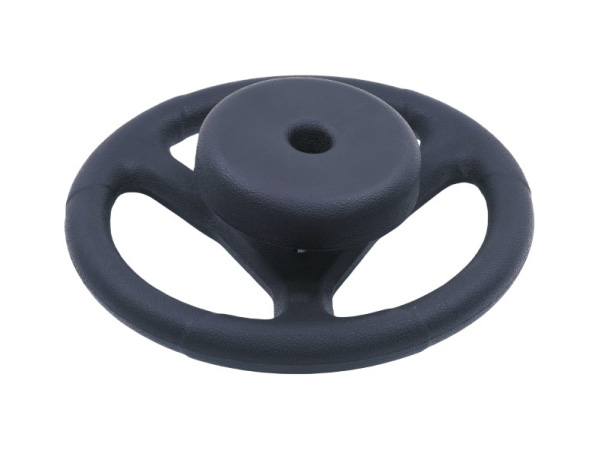
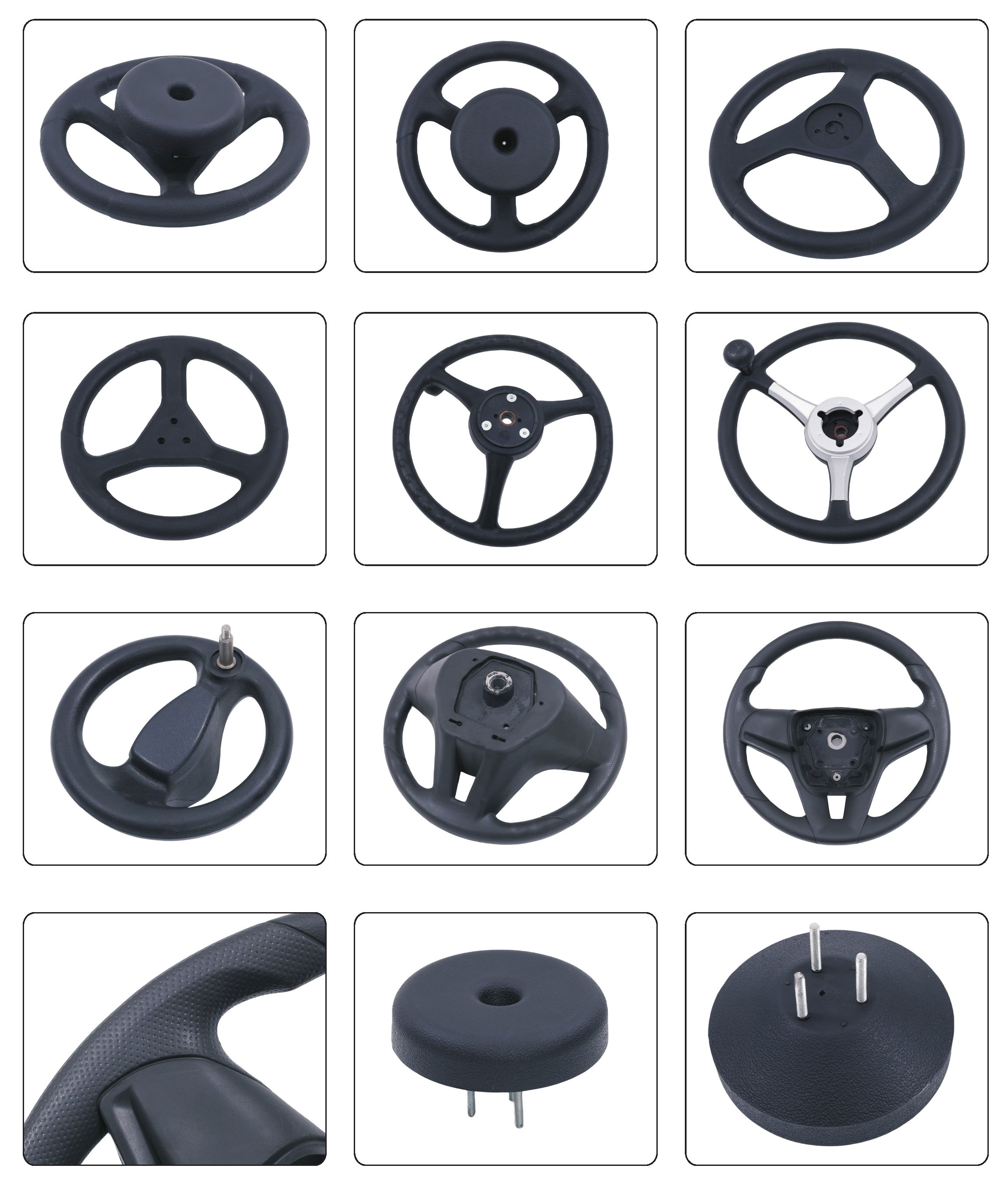
Definition: Polyurethane steering wheel refers to a steering wheel made of polyurethane (PU) material, usually consisting of a metal frame, polyurethane foam layer, and wrapping layer.
Function of components: The metal frame provides support and strength, confirming the stability of the steering wheel during operation; The polyurethane foam layer has good buffering performance and elasticity, which can absorb vibrations and reduce the impact force on the hands during driving; The wrapping layer directly contacts the driver's hand, affecting the feel and comfort of the steering wheel.
Performance characteristics
Soft and comfortable: Polyurethane material has excellent softness, making it comfortable for drivers to grip and effectively reducing hand fatigue caused by long-term driving.
Strong performance: It has good performance and can maintain good appearance and usability for a long time. It is not easy to have problems such as wear and peeling. Even after long-term use and frequent operation, it can still maintain a good state.
Good water resistance and dirt resistance: As a resin material, polyurethane steering wheels have the characteristics of water resistance and dirt resistance. Stains, water stains, etc. in daily use are not easy to penetrate into the interior of the material, making it easy to clean and not causing material damage due to contact with water.
Cost advantage: Compared with some excellent materials such as high-quality materials, the cost of polyurethane materials is relatively low, which makes the polyurethane steering wheel competitive in price and can meet the needs of many consumers for cost-effectiveness.
High safety: In case of collision, the steering wheel made of polyurethane foam can absorb a lot of energy, play a definite buffer role, and help protect the driver's safety.
manufacturing process
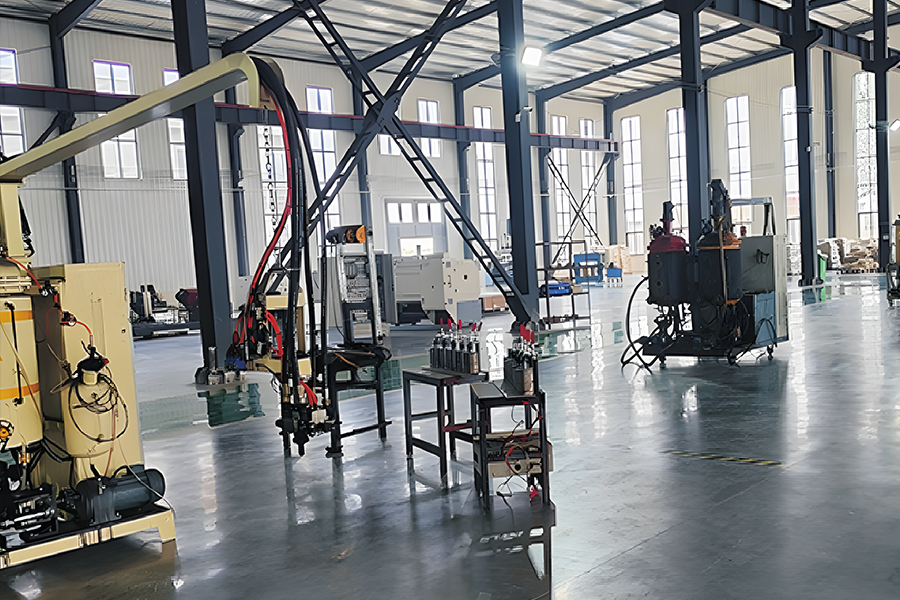
Injection molding: After heating and melting the polyurethane material, it is injected into a specific mold and cooled in the mold to form the basic shape of the steering wheel. This process can produce steering wheel components with complex shapes and high precision, and can achieve large-scale production, improving production efficiency.
Foaming molding: By adding foaming agent to polyurethane material, it is foamed and expanded in the mold to form a foam layer with a determined density and elasticity. Foam molding technology can make the steering wheel lightweight while improving its cushioning performance and comfort, providing drivers with a better grip experience.
Surface treatment: In order to improve the appearance quality and performance of polyurethane steering wheels, surface treatment processes such as spraying, electroplating, coating, etc. are also required. Spraying can provide various colors and textures of coatings for the steering wheel, increasing aesthetics and performance; Electroplating can form a protective film with a metallic luster on the surface of the steering wheel, enhancing its texture and corrosion resistance (based on actual reports); The steering wheel can be wrapped with high-quality materials such as imitation leather to further enhance the feel and comfort.
Application industry
Passenger cars: In the passenger car industry, polyurethane steering wheels have gradually increased their penetration rate among mid to high quality models due to their excellent performance, tactile sensation, and lightweight characteristics. With the upgrading of automobile consumption and the suitable development of new energy vehicles, more and more consumers have put forward high requirements for the quality and comfort of automobile interiors. Polyurethane steering wheels precisely meet this demand, and the market size is constantly expanding.
Commercial vehicles: Commercial vehicle users pay more attention to the cost-effectiveness and service life of products. The performance advantages of polyurethane steering wheels in terms of aging resistance, oil resistance, and anti-skid make them popular in long-distance transportation vehicles, and their penetration rate is gradually increasing.
-

Differences in Performance between Polyurethane Soft Foam and Hard Foam
2025-05
-
What should I do if there are uneven bubbles during the polyurethane foaming process?
2025-05
-
Aging mechanism of polyurethane foam materials
2025-05
-
The molding process of injection molded foamed polyurethane products
2025-05